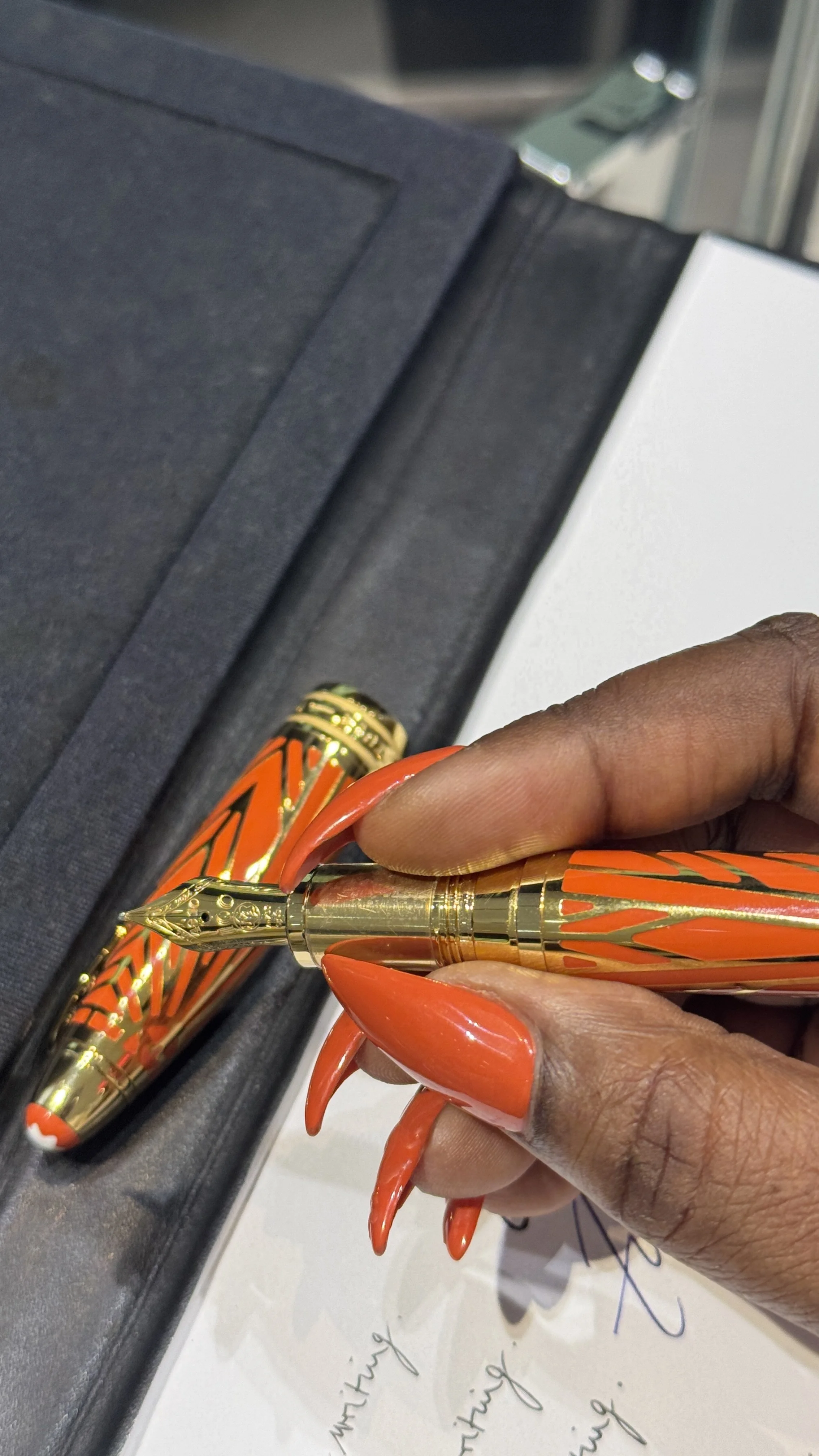
In Defense of Fancy
THE CORRESPONDENCE — POST NO. 03
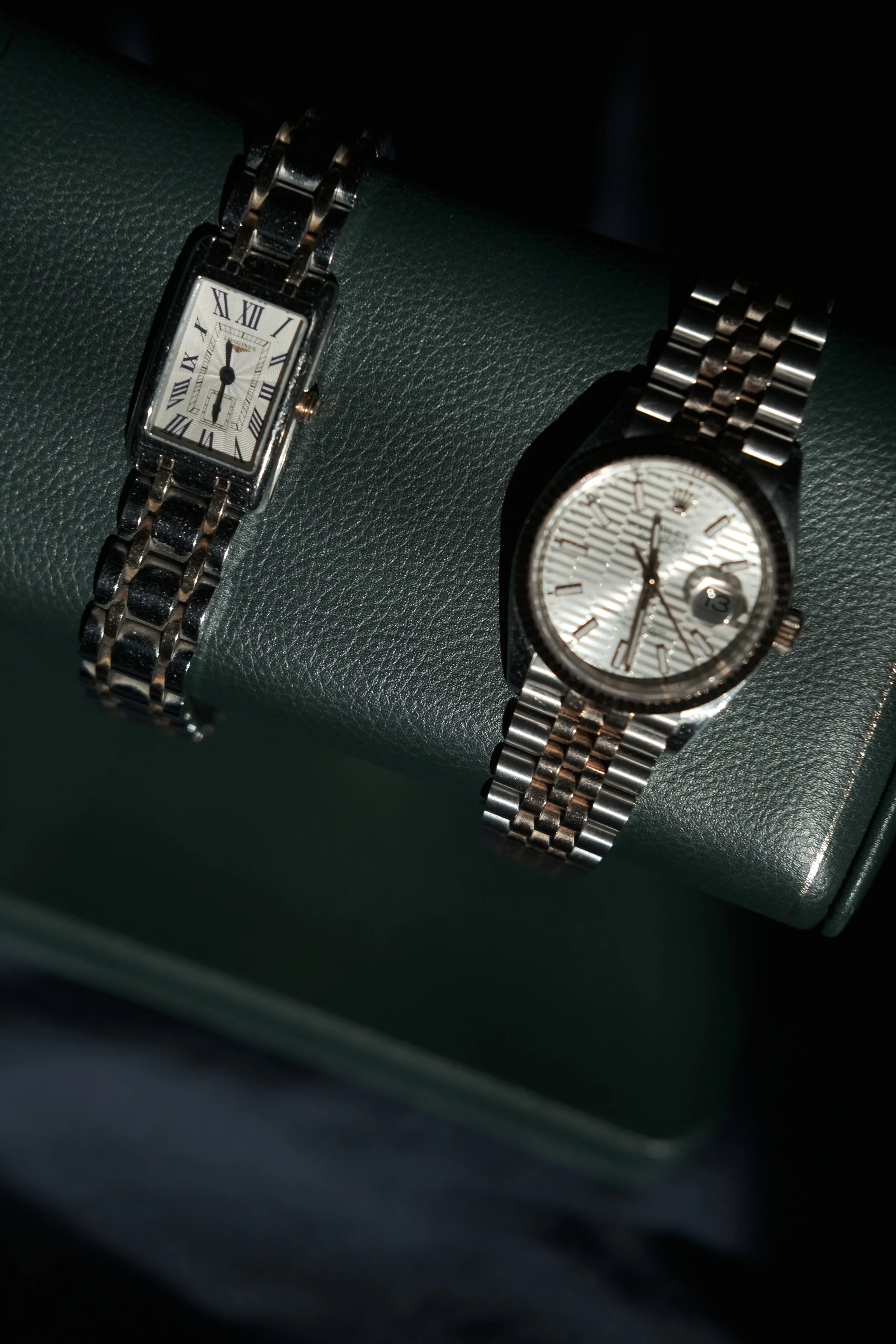
Somewhere along the way, fancy became a word people said with an apology attached.
“I know it’s a little fancy, but—”
“Don’t mind me, I’m being fancy.”
“Sorry, I can be kind of extra.”
We laugh it off. We minimize it. We preemptively justify the good dishes, the good candle, the reservation at the place that requires one. As if wanting the nicer thing is something that needs explaining before someone else can have a problem with it.
Fearless, Not Flashy
At some point, fancy got conflated with pretentious. With wasteful. With trying too hard or being out of touch. And I understand how that happened — there is a version of fancy that performs for an audience, that exists only to signal, that has no actual joy in it. That’s not fancy. That’s insecurity wearing a good coat.
Real fancy is something else. It’s the pleasure of a well-set table when it’s just you. It’s the candle you light on a Wednesday because Wednesday deserves it too. It’s choosing the thing that delights you over the thing that merely functions — not because you need anyone to notice, but because you notice. Because it matters to you.
Fancy is confidence in color. Curiosity in craft. Finding your rhythm in style and refusing to apologize for the tempo. That’s not pretension. That’s self-awareness.
The Apology Is the Problem
Think about the last time you qualified something you enjoyed. You probably didn’t do it because you were ashamed. You did it because you’ve been trained to make others comfortable with your preferences before they have a chance to make you uncomfortable about them.
That’s a defense mechanism, not a personality trait.
When we apologize for fancy, we’re not being humble. We’re erasing the part of ourselves that has taste, that has standards, that has spent time developing an eye for what’s good. We’re shrinking something that took years to build — preemptively, for an audience that may not have even had a problem with it in the first place.
The apology is the problem. Not the fancy.
Fancy Is Not a Budget. It’s a Perspective.
Fancy is not a price point. You do not need a certain income to participate. You need a certain intentionality.
Fancy is the good mug instead of the chipped one. The playlist you actually curated instead of whatever was already playing. The way you fold the napkin, the brand of soap you chose because it smells like something, the five extra minutes you took to make the thing look considered. None of that requires a budget. All of it requires attention.
And attention — real, deliberate, this-matters-to-me attention — is the most luxurious thing there is.
Stop Saving It
There is a version of fancy that lives in a box. In a cabinet. In the back of the closet waiting for an occasion worthy of it. The good perfume. The embroidered tablecloth. The set of glasses that haven’t been used since you bought them.
The occasion is now. Tuesday qualifies. You qualify.
Fancy things that don’t get used aren’t being preserved — they’re being wasted. The whole point of the nice thing is the using of it. The daily contact. The way it becomes part of how you move through your life rather than a museum piece you walk past on the way to the everyday version.
Use the good dishes. Light the good candle. Wear the thing.
An Unapologetic Preference Is a Form of Self-Respect
When you know what you like and you let yourself have it — without the qualifier, without the laugh, without the “I know, I know” — something shifts. You stop spending energy managing other people’s potential reactions to your taste and you start spending it on the actual living of your life.
That’s the move.
Not excess. Not performance. Not buying things to prove a point. Just the quiet, grounded, completely unapologetic decision to surround yourself with things that feel good, that work beautifully, that bring some version of joy every time you encounter them.
That’s fancy. And you’re allowed to like it.