Things
The Correspondence — Post No. 4
The Things We Keep
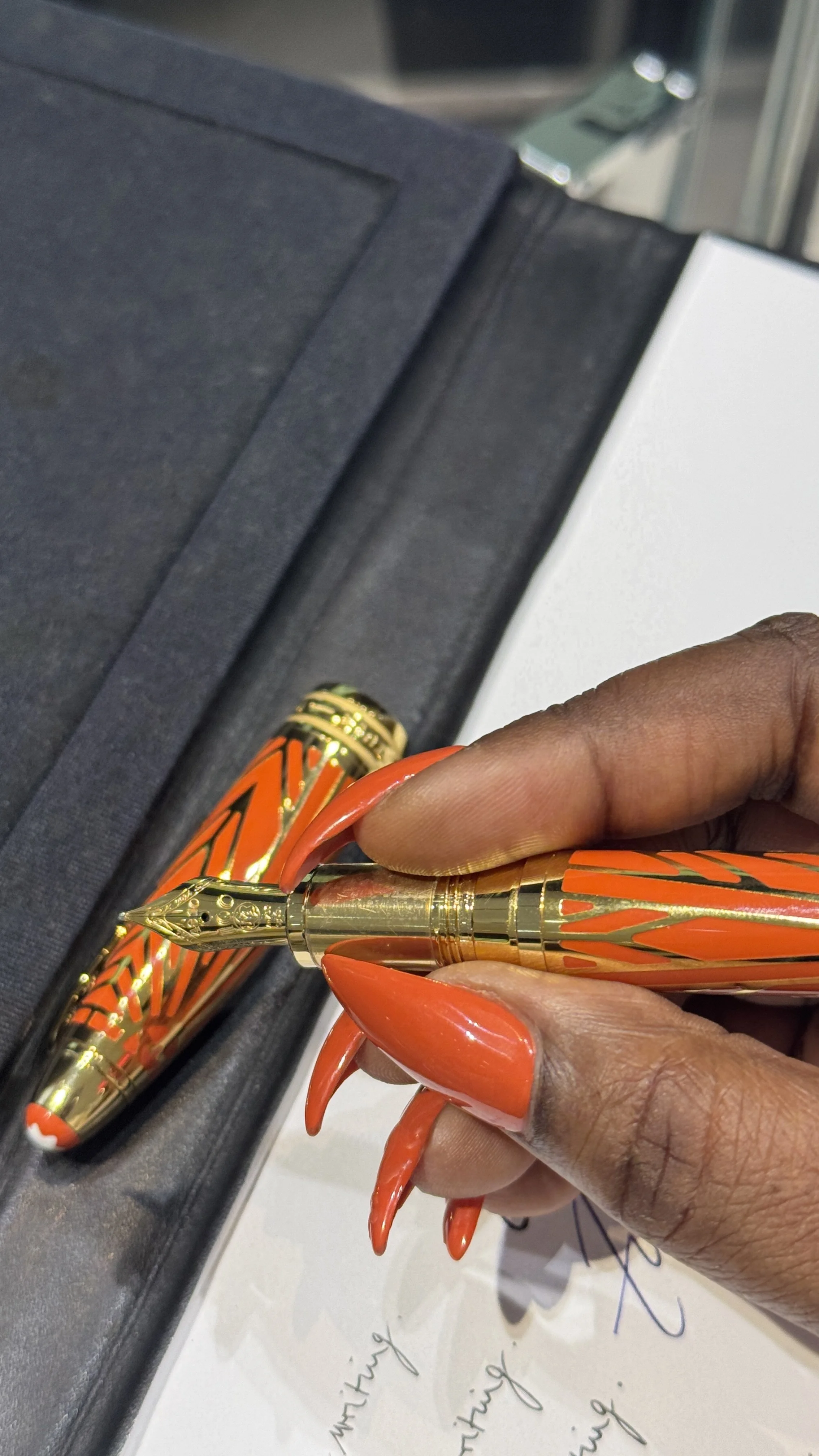
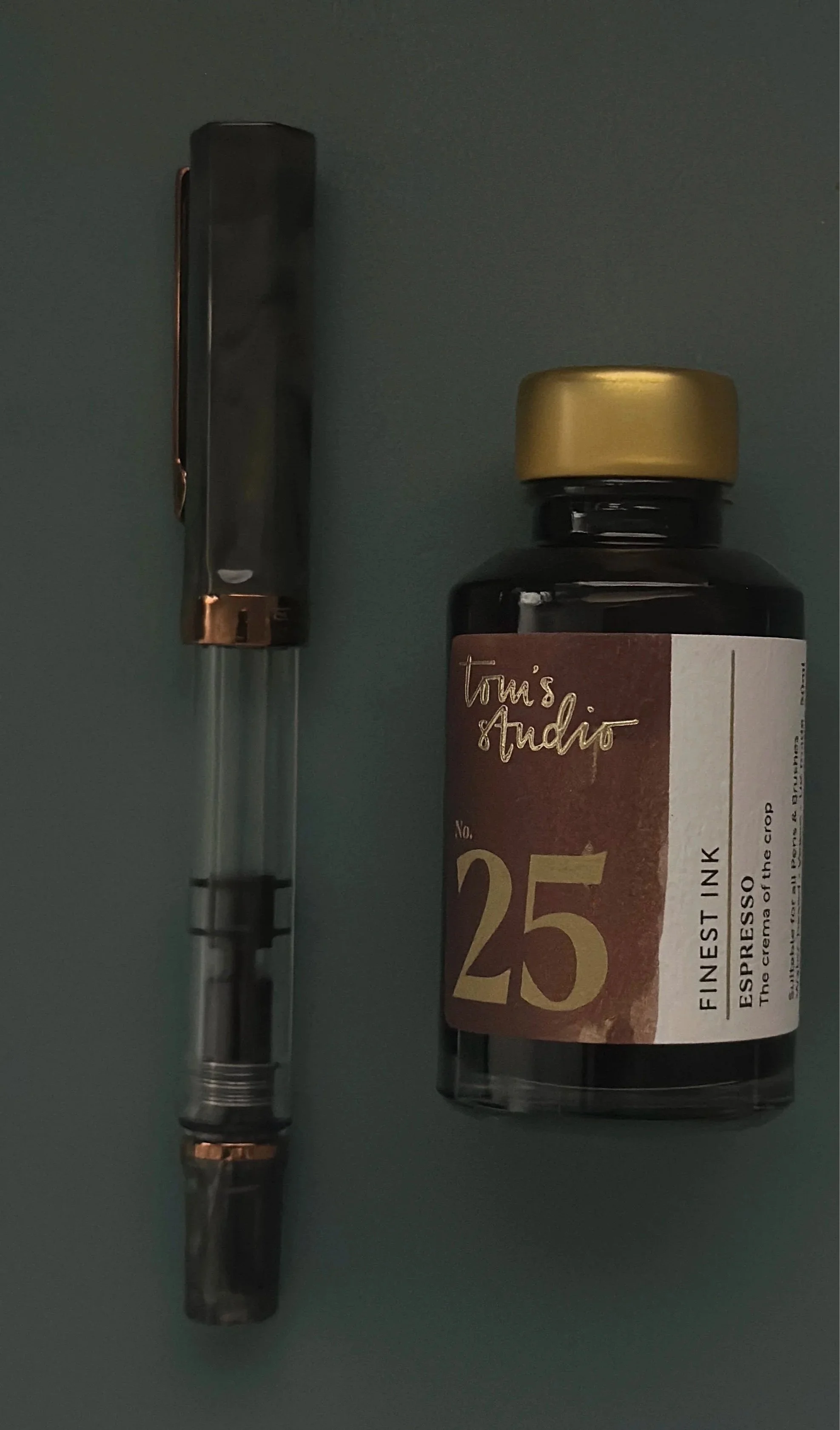
It started with a Lamy Safari. That’s how it always starts — one pen, entry level, just enough to make you dangerous. I followed it quickly with a Parker IM Premium and a bottle of Parker Black ink, which tells you exactly where I was in my fountain pen education: basic, enthusiastic, and completely uninformed. I knew nothing about nib sizes. Nothing about pen weight or ink filling mechanisms. I just knew I liked the way it felt to write with something that had a little more intention behind it and I liked that it made me feel fancy.
That was more than twenty pens ago.
The collection has grown in every direction since — price points that vary wildly, inks in more colors than I originally thought I needed, a working knowledge of what I actually want in a pen that took years and a lot of trial and error to develop. But here’s the thing: I still have that original bottle of Parker Black. It’s the only black ink I own. Everything else has expanded into color, into experimentation, into the ongoing search for the perfect combination of pen and ink for a specific kind of writing. The Parker Black just… stayed. And that’s exactly what this post is about.
We accumulate a lot of things. Most of them pass through. A few of them stay. And the ones that stay aren’t always the most expensive, or the most impressive, or the ones that made the most logical sense to acquire. They’re the ones that earned it. The ones that kept showing up in your life and proving their worth, quietly, every single time.
So what makes something a keeper? Here’s what I’ve landed on.
It Shows Up Every Day
The first test is simple: do you reach for it? Not occasionally. Not when the occasion calls for it. Regularly, without thinking, because it’s become part of how you operate.
The things that earn their place in your life are the ones that integrate so completely that you notice their absence before you notice their presence. The pen that’s always on your desk. The notebook that travels with you. The mug you wash first so it’s ready in the morning. These aren’t objects you curate for display. They’re objects you rely on — and that reliability is its own form of excellence.
It Was a Decision, Not a Default
There’s a difference between things you have and things you chose. The keepers almost always fall into the second category. You thought about them. You considered the alternatives. You may have waited — a week, a month, longer — before committing. And when you finally did, it felt like a conclusion rather than an impulse.
My stationery collection didn’t happen overnight. It grew piece by piece, each addition deliberate — a particular weight of paper, a specific ink color, a planner system that actually matched how my brain works. None of it was accidental. All of it was earned through attention. That’s what separates a collection from a pile. The intention behind each piece.
It Gets Better With Use
Some things degrade. Others develop. The keepers tend to fall into the second category — they age in a way that adds character rather than subtracting value. The leather that softens. The pen nib that adjusts to your hand over time. The notebook whose cover starts to show the shape of a life being documented inside it.
This is one of the quieter pleasures of keeping things well and keeping them long. You become part of the object’s history. It carries evidence of you — your habits, your preferences, the specific way you hold a pen or break in a bag. That kind of personalization can’t be bought. It can only be accumulated through time and use.
It Represents Something You Decided About Yourself
The deepest keepers aren’t just functional. They’re declarative. They represent a decision you made about how you want to move through the world — what you value, what you refuse to compromise on, what kind of person you’re in the process of becoming.
That’s not precious. That’s intentional. And it’s worth being honest about. The things that stay in your life the longest are rarely neutral. They mean something. They were chosen for a reason that goes beyond utility. Recognizing that reason — naming it, even — is part of developing the eye we talk about here.
The Edit Is the Point
Here’s the thing about keeping things intentionally: it means letting other things go. The keeper only means something in contrast to everything that didn’t make the cut. The edit is as important as the acquisition — maybe more so. A life full of things you actually chose, that actually work, that actually mean something, is a very different thing from a life full of accumulation.
Not everything deserves to stay. But when something earns it — when it shows up every day, when it was chosen on purpose, when it gets better with use and says something true about who you are — you’ll know. And so will anyone who notices it sitting on your desk, or catches a glimpse of it in your bag, or picks it up and feels the difference immediately.
That’s what things are for. Not display. Not status. Just the daily, quiet, completely personal evidence that you pay attention.